-

Immunity

We’re committed to understanding how our immune systems work and the relationship between dysfunction and disease. Our goal is to make discoveries that help in the prevention, treatment, and management of global health issues.

Who we are

Division Lead
Division Lead
Deputy Director
Laboratory Head
Laboratory Head
Laboratory Head
Laboratory Head
Laboratory Head
Laboratory Head
Laboratory Head
Professor Phil Hodgkin
Laboratory Head
Rhea Longley is photographed sitting outside, wearing a brightly coloured top
Laboratory Head
The Sir Gustav Nossal Professor of Immunology
Laboratory Head
Laboratory Head
Laboratory Head
Laboratory Head
Laboratory Head
Laboratory Head
Laboratory Head
Laboratory Head
Laboratory Head
Laboratory Head
Laboratory Head
Laboratory Head

What we do

Our division is dedicated to growing our understanding of the immune system to uncover fundamental disease mechanisms that can potentially lead to the development of new treatments, therapies, diagnostic tools, and prevention strategies.

We have a long-term goal of addressing major health challenges that impact billions worldwide by bridging laboratory research with real-world applications through basic discovery biology, clinical trials, and genomic studies.

We also work alongside the Snow Centre for Immune Health to advance research into diseases affected by a dysfunctional immune system.


Areas of focus

  • Understanding the immune system and how it might be manipulated for disease treatments.
  • Infectious disease including malaria, tuberculosis, human immunodeficiency virus (HIV), toxoplasmosis, intestinal infections and COVID-19.
  • Nutritional health including anaemia, vitamin deficiencies, and child growth.
  • Maternal and child health including pregnancy risks, stunting and neurodevelopmental challenges.

Research highlights

Discovering the function of the thymus

How Professor Jacques Miller revolutionised our understanding of the immune system, infection and disease.


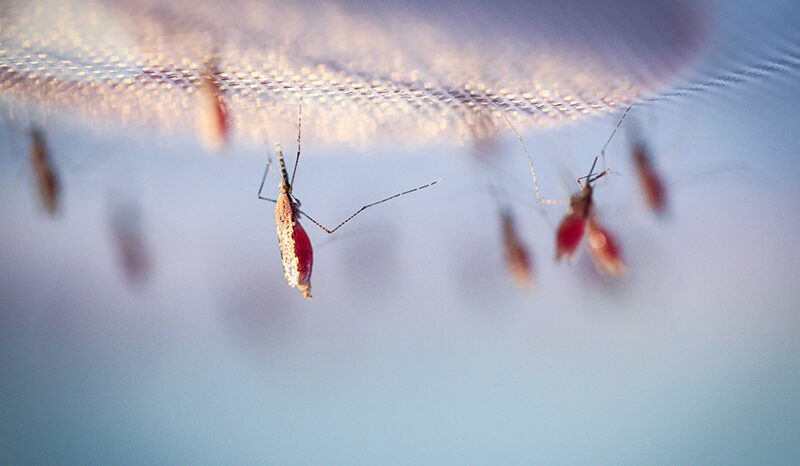
A look into malaria research

Professor Alan Cowman AC, CSL Florey Medal winner, discusses his work to understand malaria infection.


What is the ‘key’ to a malaria vaccine?

The first visualisation of the unique molecular ‘key’ used by the world’s deadliest malaria parasite, plasmodium falciparum, entering and infecting human blood cells.


International collaborations

The Immunity division works with leading research institutions worldwide, including low- and middle-income country (LMIC) partners in Africa, Asia, South America, and the Pacific. These collaborations enhance research impact and drive innovation in disease prevention and treatment.

Secret Link