-

Advancing precision medicine for Parkinson’s

Our goal is to make Parkinson’s research more connected, more precise, and more useful for people living with Parkinson’s by improving early detection and moving new treatments toward the clinic.

Clinical trials of disease-modifying therapies have a high failure rate because they are based on models of Parkinson’s that do not accurately replicate the underlying complex disease mechanisms.

Our approach

By thinking of Parkinson’s not as just one disease but as a collection of conditions with similar symptoms driven by different factors, subtyping people with Parkinson’s will improve the outcome of clinical trials and help accelerate drug development to stop disease progression.

Subtyping is the process of identifying the characteristics (phenotype) of an organism, which result from the interaction of its genetic makeup (genotype) and environment.

There are over 20 genes linked to Parkinson’s with many more associated as risk factors.

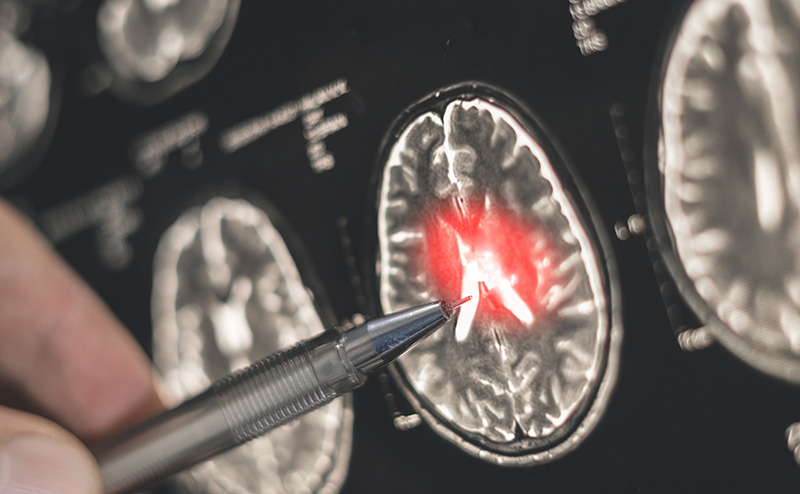
A photo shows a brain scan with a section illuminated in red

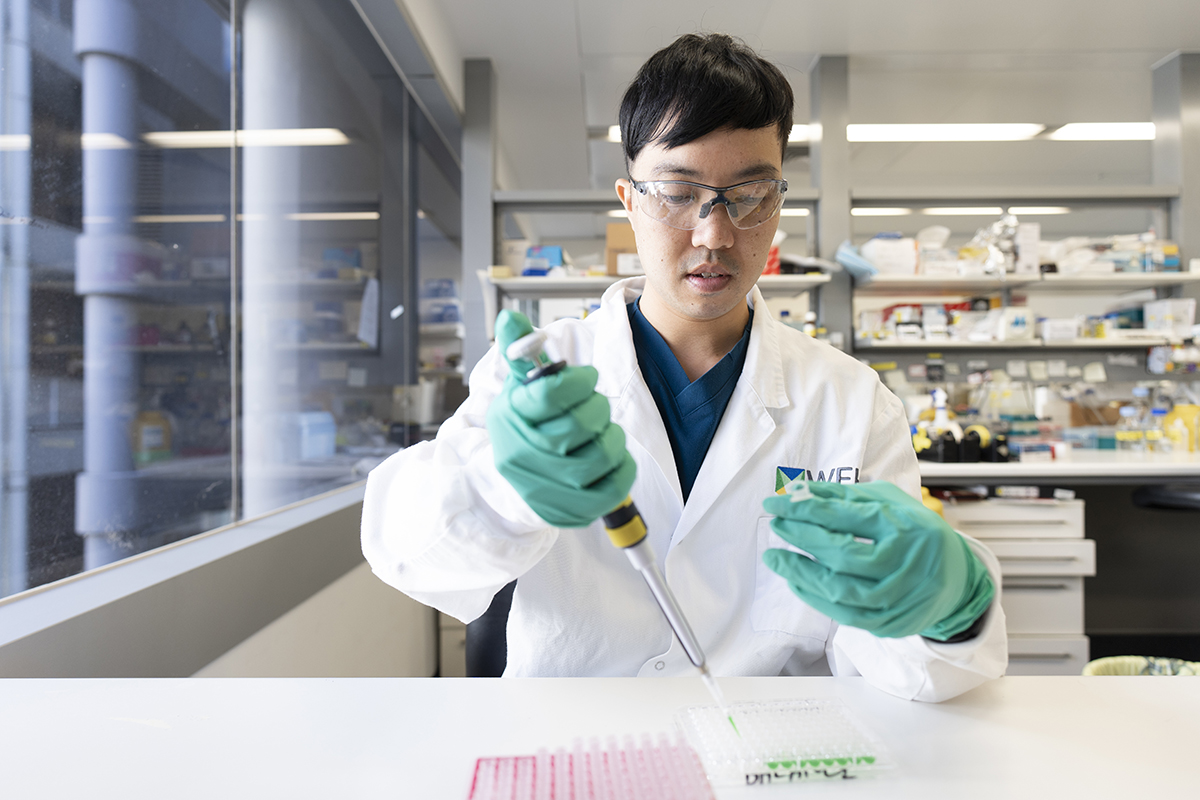
A researcher is photographed working in a lab, using a pipette

Research focus areas

We will explore fundamental vulnerabilities in Parkinson’s, including:

  • Mitochondrial dysfunction (mitochondria are the parts of cells that produce energy; when they’re damaged, neurons don’t function properly and become vulnerable).
  • Ubiquitin‑signalling (ubiquitin helps tag proteins and other cellular components for recycling; when these “cleanup” systems fail, harmful waste build-up can occur).
  • Inflammation (including inflammation in the nervous system).
  • Cell death (understanding why certain brain cells die and how to prevent it).

Our research projects

Our research team

The Parkinson’s Centre of Research Excellence is co-led by Professor Grant Dewson and Professor Glenda Halliday.

Learn more about the multidisciplinary team

Secret Link