


Finding a way to boost treatment responses for lung cancer
Small cell lung cancer (SCLC) is one of the world’s deadliest diseases, with a five-year survival rate of less than 7%.
While immunotherapy has transformed outcomes for other cancers, only a rare subset of SCLC patients will experience long-term benefits from the treatment.
One major reason is that these cancers are often invisible to the conventional immune cells that immunotherapy treatments rely on, making them difficult to detect and treat.
The new Cancer Cell study reveals a previously unrecognised immune pathway that can override these invisibility powers, unlocking a potential new therapeutic avenue for SCLC patients.
Professor Kate Sutherland, senior author on the paper and WEHI laboratory head, said the findings could help solve one of the field’s most pressing questions: how to boost the number of lung cancer patients who respond to immunotherapy.
“For decades, we’ve known that small cell lung cancer is exceptionally good at hiding from the immune system,” Prof Sutherland said.
“We’ve found an immune cell that appears to be able to see through that disguise.
“Strikingly, patients whose tumours contained more of these specialised immune cells often had better treatment outcomes.
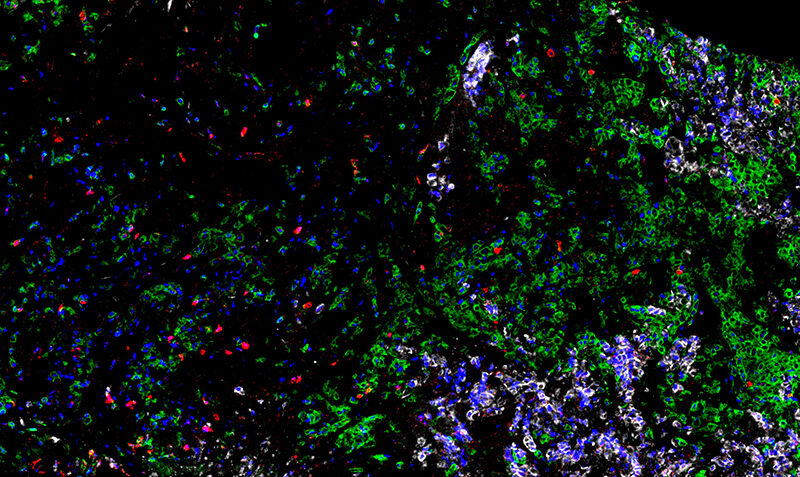
“This is the strongest evidence yet that gamma delta T cells are present in small cell lung cancers and appear capable of fighting the disease.
“It suggests these cells may offer an alternative immune attack route for tumours that are able to evade conventional cancer-fighting immune cells, opening up new possibilities for treating a cancer that has seen few advances over the past decades.”