

-

Major step toward changing the course of multiple sclerosis 

04 March 2026

Australian researchers can now study more than 100 genetic risk factors for multiple sclerosis (MS) together, a breakthrough that brings scientists closer to understanding how the disease develops and to improving quality of life for people living with MS.

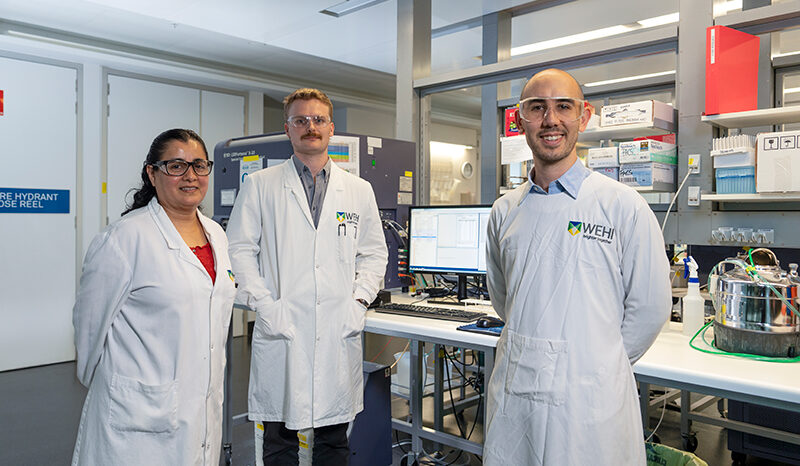
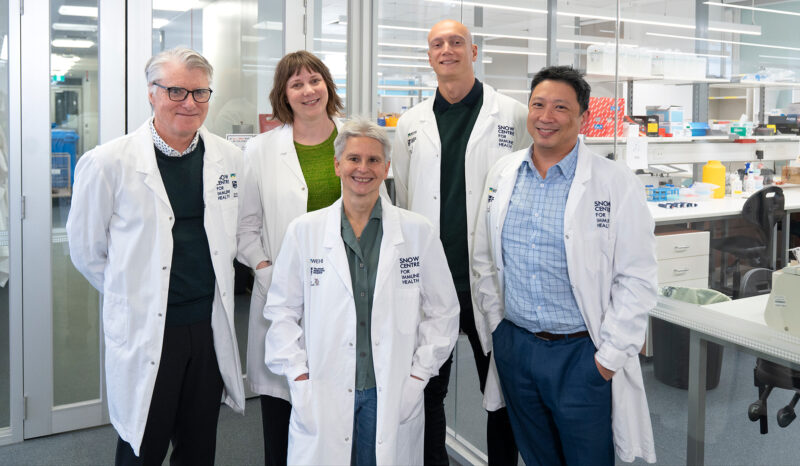
The project, led by WEHI researcher Dr Hamish King and funded through MS Australia’s latest $2.8m research grant round, addresses a long-standing gap in MS genetics.

Understanding the genetic architecture of MS

Over the past two decades, large genetic studies have identified hundreds of small DNA changes linked to increased MS risk. However, most of these changes do not alter genes directly.

Instead, they affect how genes are switched on and off inside immune cells, making it difficult to understand exactly how they contribute to disease.

Until now, understanding how these genetic risk factors linked to MS act together to drive disease has been a major challenge for researchers.

Dr King’s team will now introduce and test these genetic risk factors in human immune cells, measuring how they alter gene activity and immune behaviour both individually and in combination.

“Understanding how networks of risk genes operate together could help enable more precise treatments and, ultimately, better long-term outcomes for people living with MS,” Dr King said.

“For more than 20 years, we’ve known that there are many genetic markers linked to risk of developing MS, but we haven’t been able to fully explain how they alter immune cell behaviour.

“MS is believed to arise from many small genetic differences acting together, potentially in combination with other non-genetic factors. This platform will allow us to study those genetic difference work collectively and connect them to the specific genes and pathways they affect.”

Closing the discovery gap

MS is an immune-mediated condition in which the body mistakenly attacks the brain and spinal cord, damaging myelin, the protective coating around nerve fibres.

The disease can affect mobility, vision, cognition and energy levels.

In 2025, more than 37,700 Australians are living with MS, a 77.4% increase since 2010. The total economic burden of the disease reached $3 billion in 2024.

As the number of Australians living with MS continues to rise, accelerating research across the full spectrum of the disease is increasingly urgent.

MS Australia’s Head of Research, Dr Tennille Luker, said projects like Dr King’s are helping researchers close a critical gap between genetic discovery and real-world impact.

“Identifying risk was only the beginning. Understanding how those genetic changes actually drive disease is what allows us to change its trajectory,” Dr Luker said.

“Alongside this work, we are investing in research that slows progression, manages symptoms and improves quality of life. These projects strengthen our response to MS today while laying the scientific foundation for prevention and cures.”

Over more than two decades, MS Australia has invested more than $60m in MS research.

Dr King is among four recipients announced in this research grant round.

Related topics
Key Researchers
Laboratory Head
Media Enquiries
Support us

Together we can create a brighter future

Your support will help WEHI’s researchers make discoveries and find treatments to ensure healthier, longer lives for you and your loved ones.

Sign up to our quarterly newsletter Illuminate

Find out about recent discoveries, community supporters and more.

Illuminate Summer 2025
View the current issue