

-

New research offers hope to people living with a life-altering muscle condition 

26 May 2026

A new research collaboration is opening the door to long-awaited progress for people living with a debilitating inflammatory muscle disease.

The Snow Centre for Immune Health has joined forces with rheumatologist Dr Jessica Day from the Royal Melbourne Hospital to study inclusion body myositis (IBM).

The study will leverage clinical, scientific, and technological expertise to identify biomarkers that serve as early indicators of treatment effectiveness in IBM. This is currently a major unmet need in the field.

The first step is a pilot clinical trial testing a therapy that targets immune pathways active in IBM, a progressive condition that slowly strips away people’s strength, mobility and independence.

At a glance
A new collaboration is investigating faster, more accurate ways to accelerate the search for the first effective treatment for inclusion body myositis (IBM).
The study will harness clinical, scientific, and technological strengths to identify biomarkers to track treatment response and early signals of treatment effectiveness in IBM.
The pilot trial will test a therapy that targets key immune pathways.

Uniting expertise to drive change

Today, no treatment can slow or stop IBM, which gradually causes people to lose strength, movement and autonomy.

Progress has been limited because researchers still don’t fully understand what drives the disease, and clinical trials often rely on slow-changing measures like strength and mobility.

This makes it difficult to detect early signs that a therapy might help, but the new collaboration aims to change this.

Dr Day, also a Senior Research Officer at WEHI, is working with Snow Centre scientists to build an advanced research platform that can reveal whether a therapy is working much earlier than existing research methods.

“This combination of expertise and infrastructure makes this ambitious project possible,” Dr Day said.

“It gives us a faster, more accurate way to understand whether a treatment is having an effect – something that could transform the search for real therapies.”
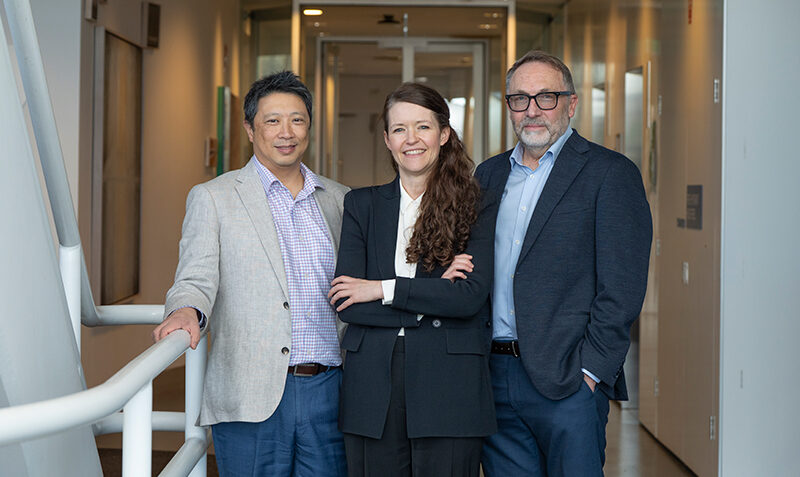
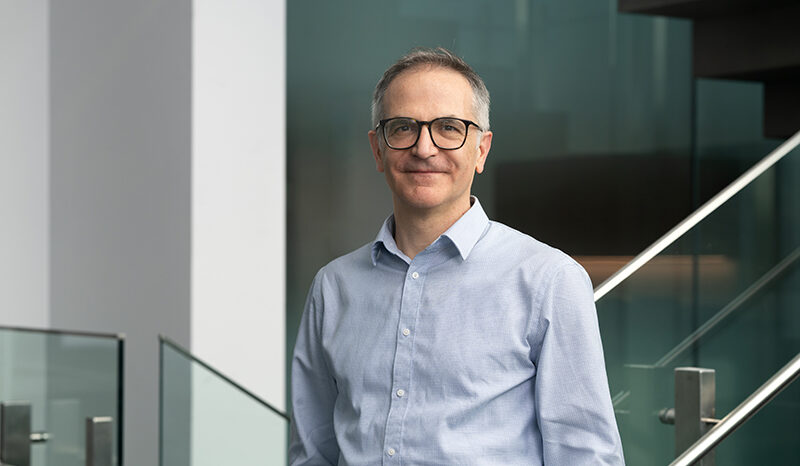
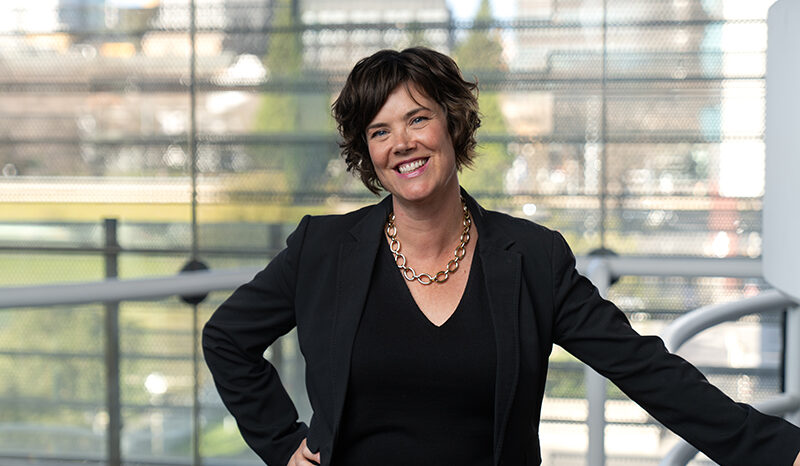
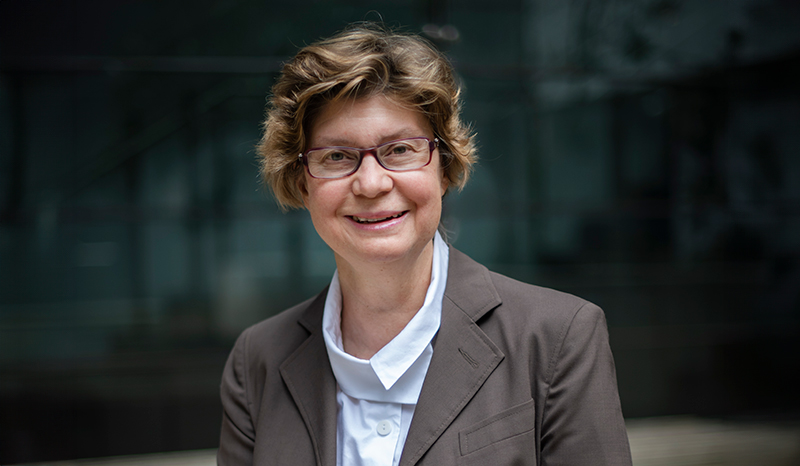
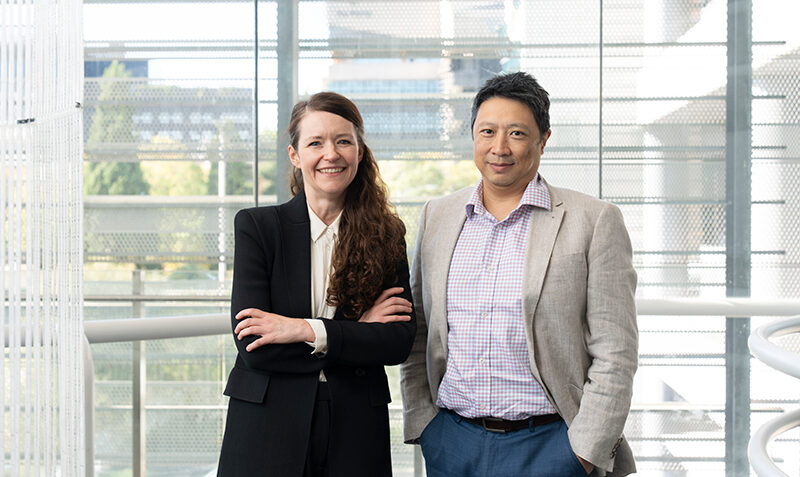
Professor Jason Tye-Din, Snow Centre Director, Dr Jess Day, Project Lead and Professor Ian Wicks, WEHI Lab Head

Partnership focused on patient impact

For the first time, the Snow Centre invited clinician-scientists from partner organisations, WEHI and the Royal Melbourne Hospital, to codesign research projects that deliver meaningful improvements in immune health.

Snow Centre Director Professor Jason Tye‑Din said people living with IBM have waited far too long for progress.

“We are committed to advancing research that improves immune health in ways that matter to patients,” Professor Tye‑Din said.

“This partnership allows us to apply our expertise and infrastructure to a disease that urgently needs new solutions.”

By combining deep clinical knowledge, leading immunology research, and cutting‑edge technology, the collaboration aims to illuminate how IBM works – and reveal whether a therapy is helping much sooner.

“This project could speed up the development of the first-ever effective treatment for IBM,” Professor Tye‑Din said.

“It gives researchers the tools they need to understand the disease and detect meaningful change far earlier.”

To find out more, visit snowimmunehealth.org.au

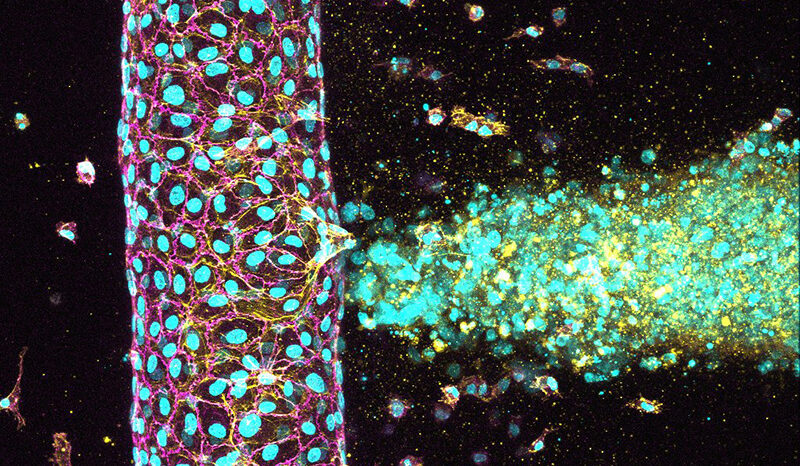
Header image:

Related topics
Key Researchers
Laboratory Head
Media Enquiries
Support us

Together we can create a brighter future

Your support will help WEHI’s researchers make discoveries and find treatments to ensure healthier, longer lives for you and your loved ones.

Sign up to our quarterly newsletter Illuminate

Find out about recent discoveries, community supporters and more.

Illuminate Autumn 2026
View the current issue