


-

Early research shows new blood test can help predict testicular cancer recurrence  

03 March 2026
A patient's hands are visible, with a doctor in the background

A new study co-led by WEHI has found a simple blood test can help identify the early-stage testicular cancer patients who are most at-risk of cancer relapse.

The CLIMATE study found a protein, which is released into the bloodstream by testicular cancer cells, could detect tiny amounts of remaining cancer after surgical removal of the testicle.

The findings, a collaboration with the Australian and New Zealand Urogenital and Prostate Cancer Trials Group (ANZUP), were presented at the ASCO Genitourinary Cancers Symposium in San Francisco.

Improving personalised medicine

People diagnosed with stage 1 testicular germ cell tumour are often treated with surgery alone and then closely monitored through active surveillance.

While most will have strong long-term outcomes, around one in four patients will see their cancer return within five years.

The new study found the blood-based marker miR-371 could be used to detect tiny amounts of remaining cancer after testicular surgery.

Associate Professor Ben Tran, a Senior Research Fellow at WEHI and CLIMATE lead investigator, said the results are a promising step towards improving treatment outcomes for patients with this disease.

“These early findings suggest that this blood test could become a valuable tool to personalise care for those affected by early-stage testicular cancer,” Assoc Prof Tran, also a Medical Oncologist at Peter Mac said.

“In future, we hope it will help doctors identify patients who could benefit from early additional treatment, while sparing others from unnecessary therapy.”

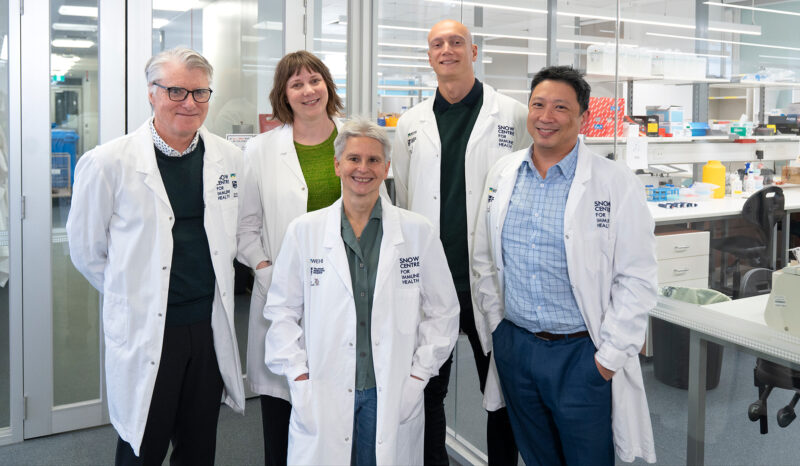
CLIMATE lead investigator Associate Professor Ben Tran

Burden of disease

Testicular cancer is the second most common cancer in Australian men aged 20 to 39 excluding  non-melanoma skin cancer.

In 2025, an estimated 1040 new cases were diagnosed, with an average age of 36 years old. 

Although survival rates are relatively high, the diagnosis can have a lasting impact.

Research shows almost one in three people who have had testicular cancer continue to fear their cancer returning even 11 years after diagnosis. 

This fear is closely linked with higher levels of stress and anxiety and can be intensified by longterm side effects such as nerve damage, fatigue and other ongoing physical symptoms.

Many people also experience concerns about fertility and identity following treatment.

Together, these challenges can significantly affect quality of life, highlighting the need for ongoing support.

Australian and New Zealand Urogenital and Prostate Cancer Trials Group CEO, Samantha Oakes says: “Our mission at ANZUP is to improve the lives of people affected by bladder, kidney, testicular, penile and prostate cancers, as the leading non-for-profit research charity funding multidisciplinary collaborative clinical trials for these ‘Below the Belt’ cancers. 

“Since our inception in 2008, ANZUP has funded 35 Below the Belt cancer trials across 772 global sites providing over 10,000 participants access to innovative clinical trials.​ We are proud to showcase our CLIMATE research on an international stage.  

“Although these are early results, miR-371 performed better than the predictive tools that are currently available.  

 With further validation, this test could add a valuable tool to inform the management of early-stage testicular cancer.”  

Related topics
Key Researchers
Senior Clinical Research Fellow
Media Enquiries
Support us

Together we can create a brighter future

Your support will help WEHI’s researchers make discoveries and find treatments to ensure healthier, longer lives for you and your loved ones.

Sign up to our quarterly newsletter Illuminate

Find out about recent discoveries, community supporters and more.

Illuminate Summer 2025
View the current issue