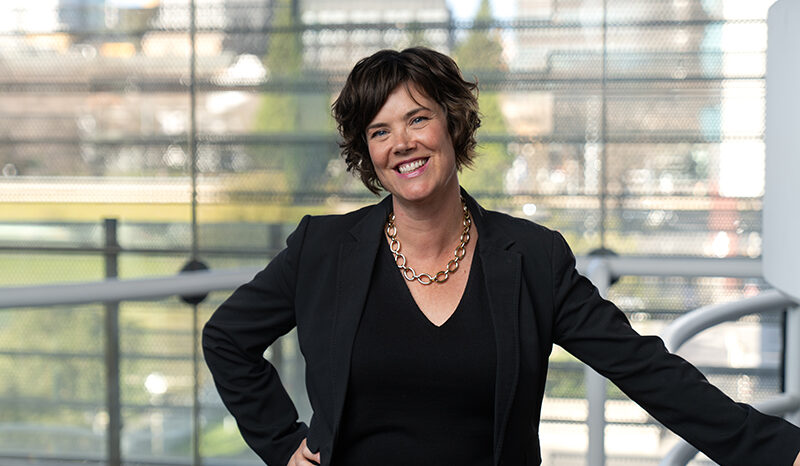

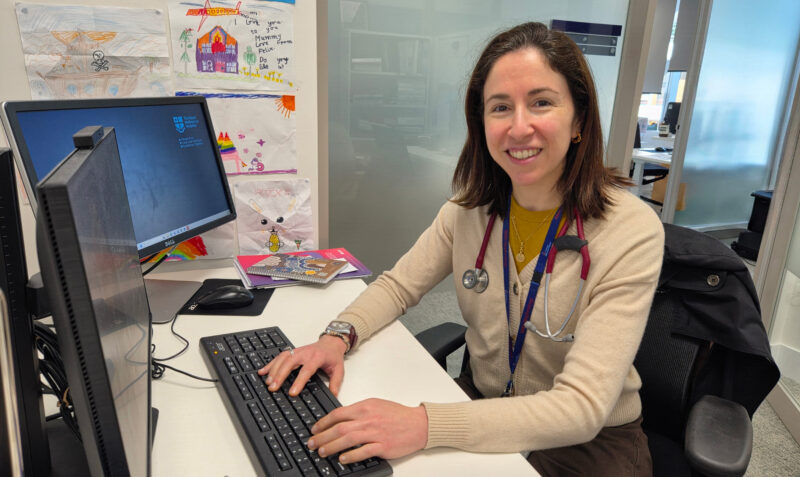
Dr Irene Ruderman has dedicated her career to improving the lives of people with complex immune-mediated diseases. Now, as the Snow Centre for Immune Health‘s Clinical Lead, she will help ensure patient needs remain at the heart of the centre’s work.
Working across research, healthcare and industry, Dr Ruderman will help grow the Snow Centre’s clinical research program, connect clinical questions and patient cohorts with the Centre’s discovery science, strengthen trial opportunities and support the development of new immune health therapies.
A Consultant Nephrologist at the Royal Melbourne Hospital (RMH), Dr Ruderman brings extensive experience in patient care, translational research and clinical leadership. Her work in immune-mediated kidney disease and inflammation has been driven by a commitment to ensuring research benefits patients.
We sat down with Dr Ruderman to learn about her career journey, her passion for immunology, and her vision for her role.
What attracted you to the Snow Centre for Immune Health?
I don’t think there are many places around the world so focused on understanding immune health and using that knowledge to improve patient outcomes.
But ultimately, it’s the people.
Everyone brings a different perspective, whether it’s clinical, research or allied health, and together those perspectives create a remarkable depth of knowledge.
The more we can work collaboratively and bounce ideas off each other, the more we’ll innovate.
What sparked your interest in caring for people with kidney disease?
As a fourth-year medical student in Adelaide, I was fortunate to undertake a renal transplant elective under the mentorship of an incredible mentor.
What struck me most was seeing the transformative impact a kidney transplant can have on a person’s life.
I love that nephrology combines long-term patient relationships with fascinating science, particularly immunology.
As a clinician and a researcher, is there an experience that has shaped the way you practice.
One patient with lupus nephritis has left a lasting impression.
He lives in the country and he read about a study that was happening locally. He couldn’t understand why a hospital in the city didn’t offer a similar study.
Delays and barriers can sometimes prevent people from accessing promising treatments and clinical trials. This really galvanised my patient advocacy skills. I realised that I have to be their voice as well.
His wins are your wins, and his losses are your losses. Sometimes you need someone like that to push you into action and remind you why you’re doing this.
I fought hard to get the study up and running. I succeeded, but unfortunately my patient was no longer eligible for the trial. I often reflect on the lessons he taught me.
Why immunology research?
I’ve always been interested in immunology and autoimmune disease.
What excites me most is the opportunity to better understand why immune diseases develop and how we can personalise treatment.
The more we understand about the immune system, the better positioned we are to deliver the right treatment to the right patient at the right time.
What are your goals as the Snow Centre Clinical Lead?
My goal is to ensure promising discoveries don’t stop at the laboratory bench.
By strengthening connections across the research and healthcare sectors, we can create more opportunities for patients to access innovative therapies.
I also want to bring our discovery science closer to the questions we see in the clinic, using patient cohorts and samples to help shape research that can make a real difference.
In the near term, that means helping to build the infrastructure, partnerships and expertise needed to support novel immune therapy trials.
Looking further ahead, I hope the Snow Centre can improve patients’ access to promising treatments and trials that will truly make a difference.
What might surprise people about you?
I love cross-stitching. I can spend hours making little cushions, artwork and gifts for my kids. It’s very relaxing.