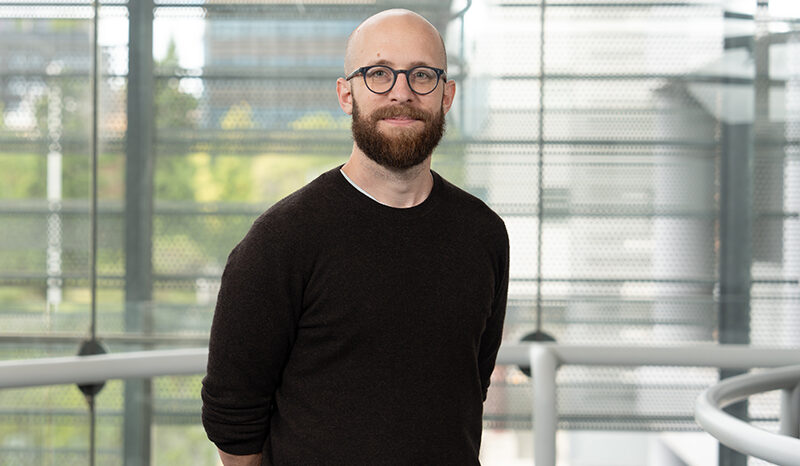

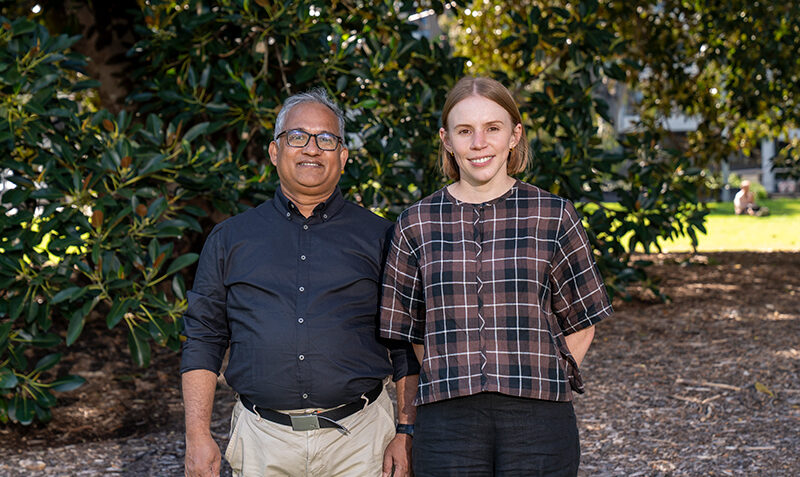
Dr Imrul Hasan:
icddr,b is a research institute helping address public health problems, including infectious disease outbreaks and implementing evidence-based solutions at low cost. In Bangladesh it is recognised as a national asset in global health.
I’ve worked at icddr,b for 15 years, and for the past decade I’ve been part of an extraordinary partnership with WEHI. This collaboration is changing the lives of girls and women in Bangladesh.
As an assistant scientist and deputy project coordinator, I work across WEHI and icddr,b to lead studies that tackle critical public health challenges on the ground. One of these is iron deficiency, which is common in Bangladesh and is the leading cause of anaemia.
After conducting iron intervention studies over several years, we are now focusing on heavy menstrual bleeding, another major contributor to anaemia in women of reproductive age. This issue is widespread: 41% of Bangladeshi adolescent girls were recently reported to miss school because of it. It significantly affects quality of life, yet there is currently no standard of care.
For the last three years, I’ve also been completing a PhD under Professor Sant-Rayn Pasricha at WEHI. Prof Pasricha is a world expert in anaemia, iron deficiency and global health.
The partnership began with BRISC (Benefits and Risks of Iron Interventions in Children in Rural Bangladesh), a clinical trial assessing iron syrup and micronutrient supplements on child development.
This was followed by EDIVA (Efficacy and Demonstration of IntraVenous Iron for Anaemia in Pregnancy), which compared intravenous and oral iron treatments for anaemia in pregnant women.