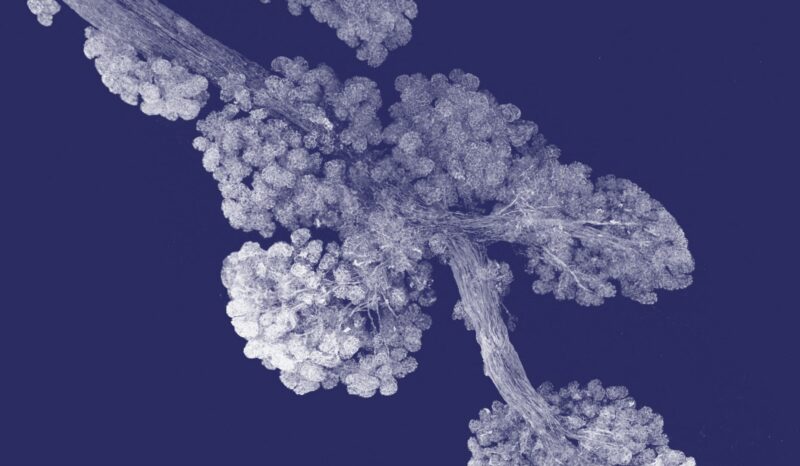
DNA methylation is a heritable epigenetic modification essential for gene regulation, most often associated with gene silencing. During maturation in the germinal centre (GC) B cells undergo a unique genome-wide DNA de-methylation process that remains poorly understood, and this epigenetic state is maintained in memory B and plasma cells after leaving the GC. We used long-read direct methylation sequencing to characterise the dynamic methylation changes in human tonsillar B cells, as well as in ex vivo B cell cultures that model T-dependent responses. We observed a broad, progressive and genome-wide loss of methyl- and hydroxymethyl-cytosine during maturation that was largely uncoupled from transcriptional changes that occurred. We found that the magnitude of DNA de-methylation correlated with the amount of T-dependent signalling that B cells received in culture, suggesting that loss of DNA methylation may be linked with GC-dependent maturation of B cells. Indeed, memory B cells from patients with common variable immunodeficiency lacked this GC-dependent methylation signature compared to healthy donors. Finally, loss of DNA methylation in memory B cells was closely correlated with the magnitude of antigen-specific responses to vaccination, suggesting that the genome-wide DNA de-methylation patterns we have characterised may be linked to the selection of high affinity B cells within the GC. This work has generated new insights into DNA de-methylation dynamics during B cell maturation and provides the foundation to resolve the molecular mechanisms underpinning this relationship and its potential broader relevance to immune-mediated disease.
Annelise completed a Bachelor of Science/Arts at Monash University, followed by Honours, where they modelled dietary supplementation for the treatment of inborn errors of metabolism using Drosophila. After beginning their PhD in the King Lab in 2023, they have co-chaired WE-Pride, contributing to the Diversity and Inclusion Steering Committee, and the Parkville Precinct Pride network. They are also an active member of the Flow Cytometry Platform Leadership Group, and a founding member of the Melbourne Epigenetics Club.