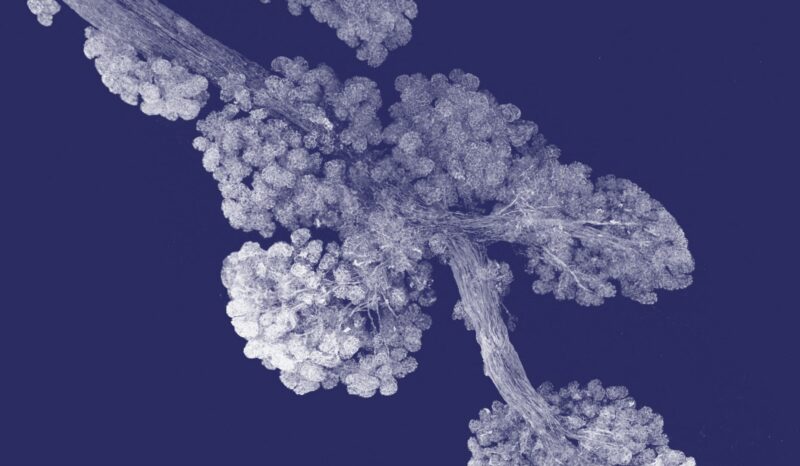
The growing interest in virtual cell models highlights the need for comprehensive, accurately annotated maps of human cell states across tissues, individuals, aging, and disease contexts. To address this, we developed PANGEA, a cross-tissue single-cell and spatial atlas built from more than 500 studies and over 2,000 datasets, encompassing more than 20 million single-cell transcriptomes across diverse human organs and pathological conditions. By uniformly reprocessing raw sequencing data through a unified computational workflow and harmonizing metadata across studies, PANGEA enables robust identification of cell types, tissue-specific states, and organ-, disease-, sex-, and age-associated gene programs. Integration with pan-cancer and immune disease atlases, including the Single Cell Atlas of Immune Diseases and Asian Immune Diversity Atlas, further enabled the distinction of shared versus tissue- and disease-specific immune programs. Finally, large-scale Perturb-seq experiments in fibroblast systems, involving overexpression of 200 transcription factor open reading frames in dermal fibroblasts and mesenchymal stem cells, enabled causal dissection of regulatory programs underlying fibroblast activation and lineage plasticity. Together, this work establishes an integrated framework linking population-scale cell atlas construction, atlas-informed computational methods, immune aging analysis, and experimental perturbation, providing a foundation for virtual cell models and a predictive understanding of human cell identity, plasticity, and disease-associated state transitions.
Associate Professor Jong-Eun Park is a leading investigator in single-cell and spatial genomics at KAIST, where he leads the Single-Cell Medical Genomics Laboratory. His research combines single-cell transcriptomics, spatial genomics, computational biology, and immunology to understand how tissues and immune systems change across development, aging, cancer, and inflammatory disease.