


How dormant genes were reactivated in Prader-Willi syndrome
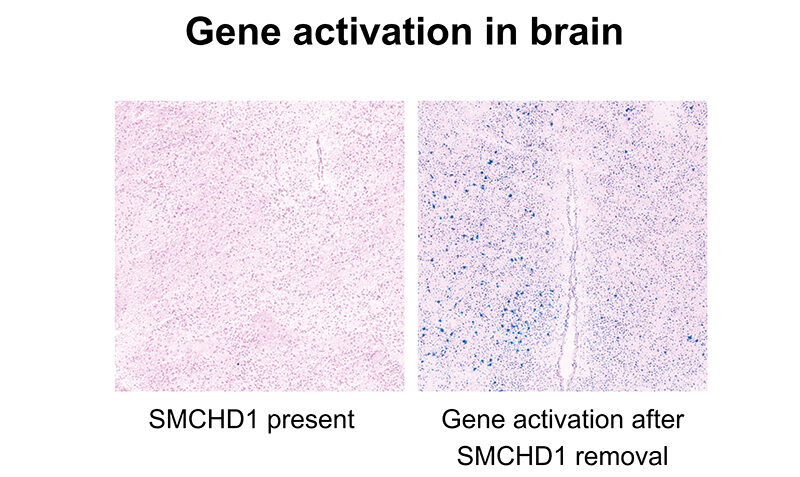
Discovered at WEHI in 2008, SMCHD1 is a protein that helps regulate gene activity.
In Prader-Willi syndrome, it switches off certain genes essential for development and brain function – contributing to symptoms like developmental delays, intellectual disability and an insatiable appetite that can lead to obesity.
People with Prader-Willi syndrome often rely on multiple medications, surgeries and specialist care, but these treatments address symptoms rather than the cause, providing limited relief.
In the new study, published in Science Advances, the team combined CRISPR gene-editing, stem-cell and genomic technologies to track what happened when SMCHD1 was removed, measuring the effects across thousands of genes and in the most disease-relevant brain tissue.
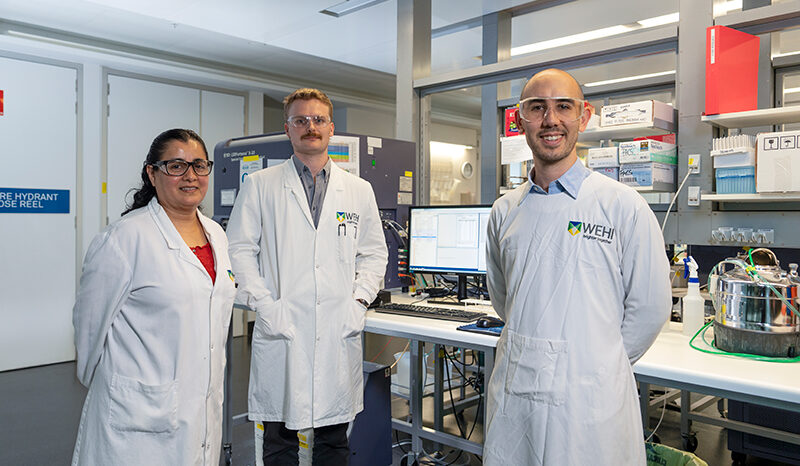
Lead researcher Professor Marnie Blewitt said one of the study’s most important findings was that gene activity could be restored without causing problems elsewhere in the body, a critical step towards developing future treatments for babies and young children.
“We thought reactivating the ‘sleeping’ genes might be possible – what we didn’t know was whether we could do it safely,” said Prof Blewitt, Deputy Director of WEHI and head of the epigenetics laboratory.
“We now have the strongest evidence that removing SMCHD1 can restore gene activity lost in Prader-Willi syndrome without disrupting the rest of the body.”