
A disease model in a dish
For many rare blood and immune disorders, getting a clear diagnosis can take months or years. Even when a diagnosis is found, the only curative option for many patients is a transplant of stem cells from a healthy donor – an intensive treatment that can be risky, toxic, expensive and often inaccessible.
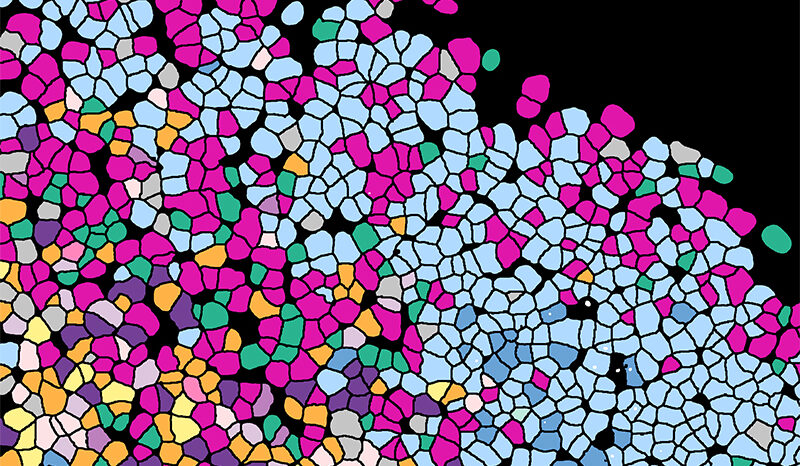
WEHI researchers have developed a ‘blood in a dish’ system that uses stem cells collected from a patient’s blood sample to recreate key parts of blood and immune development outside the body.
This patient avatar allows researchers to see what’s going wrong for individual patients and to test whether a specific genetic fix can restore normal function.
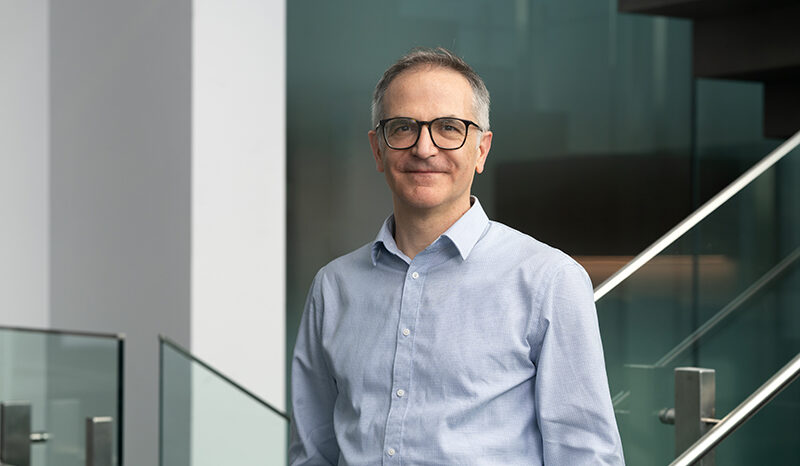
Project chief investigator Professor Shalin Naik said the approach is designed to make personalised medicine practical for diseases that have never attracted large-scale investment.
“Many of these conditions come down to a single-letter genetic mutation, but the exact mutation can differ from patient to patient,” Prof Naik, a WEHI laboratory head, said.
“Our system lets us model a patient’s disease in the lab, test a precise correction and measure whether the cells bounce back.”
The project uses cutting-edge prime editing technology that allows scientists to precisely change one DNA ‘letter’ for clean, targeted repair.
“That specificity is what makes prime editing so exciting for rare diseases and makes this project such a potential game changer for diseases that are crying out for effective, tailored treatments,” said Prof Naik.
The project will package prime editing components as mRNA inside lipid nanoparticles – the same broad class of delivery technology used for mRNA vaccines, like those for COVID-19 – and direct them to blood stem cells in the bone marrow.