Tuberculosis (TB) and long COVID are two chronic and debilitating diseases that continue to plague millions of people annually. One-fourth of the global population is estimated to be exposure to Mycobacterium tuberculosis (Mtb) and over 779 million cumulative people have been infected with SARS-CoV-2. Despite high number of cases, only 5-15% of all respective cases develop clinical TB and long COVID over the course of months to years. DNA methylation is a unique gene regulation mechanism that alters the immune response in the present and over time, making it an ideal candidate to explore long-term disease development.
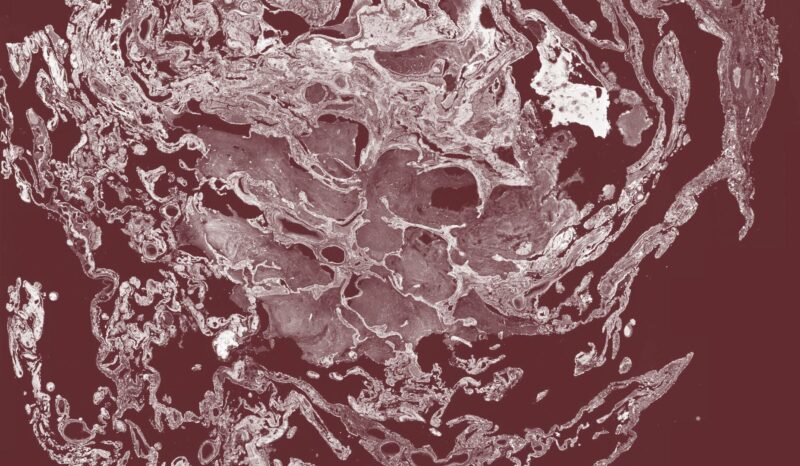
In the first project, DNA methylation was characterized in the whole blood of patients with Subclinical TB – the group with the largest risk of developing TB; and between those that developed TB versus those that didn’t. Subclinical TB-associated methylation patterns were enriched for cytokine production and IL-2 signalling, and genes were found to be differentially methylated months to years before differentially expressed during clinical TB. The second project looked at methylation patterns in the lungs of mice with acute (3 dpi) or long (45 dpi) COVID. At 3 dpi, mouse lungs had elevated viral load and cytokine expression, with differentially methylated regions involved in immune cell activation. While viral load and cytokine expression cleared by 45 dpi, lung pathology and methylation changes remained. Together, these results showcase the involvement of DNA methylation during disease and its potential as a predictive biomarker and/or disease mechanism for TB and long COVID.